Greek Lemon and Chicken Soup (Avgolemono)

Greek Lemon and Chicken Soup (Avgolemono)

Soups

Description

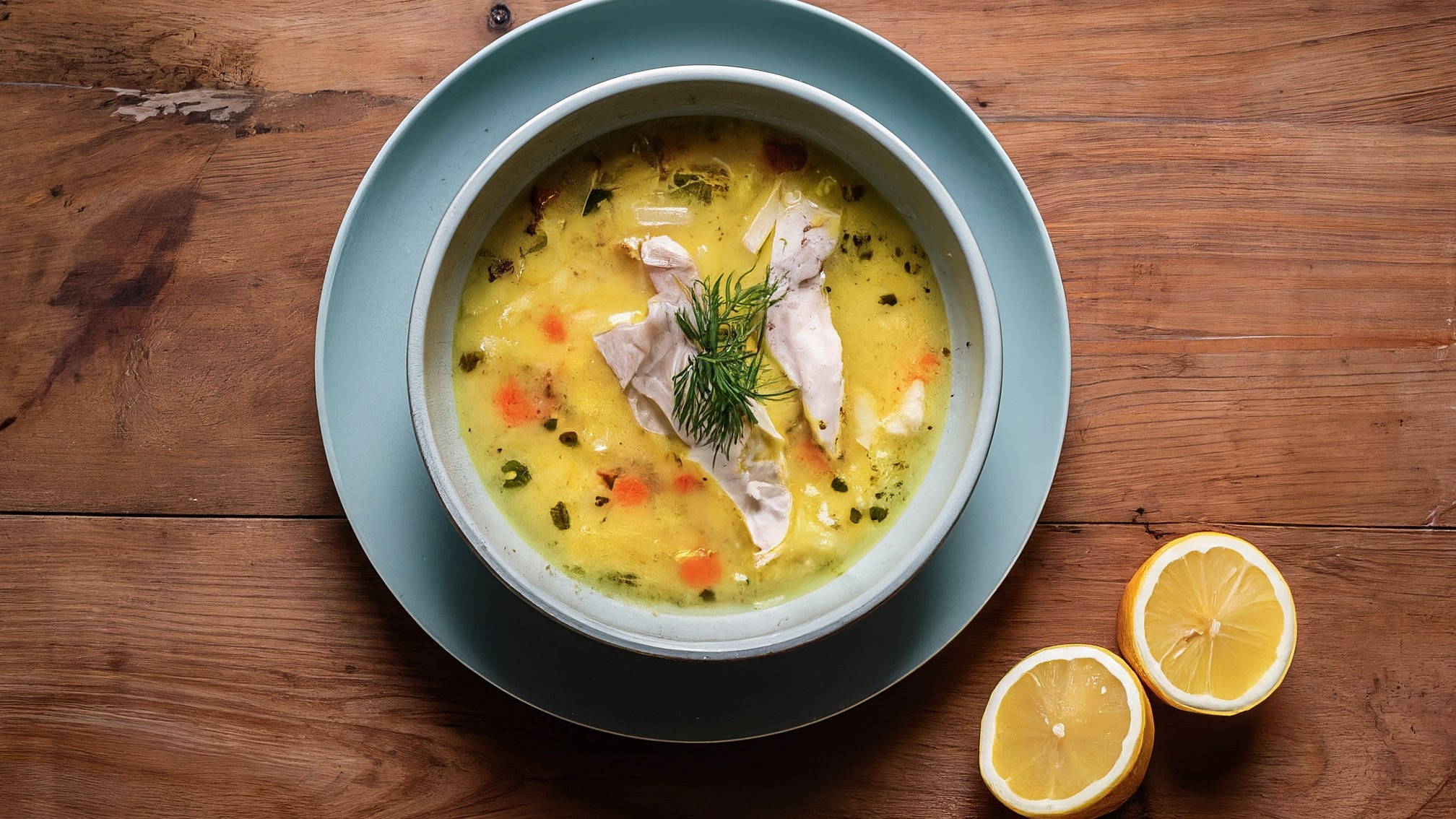
A classic Greek comfort food, this Avgolemono soup is a symphony of bright lemon, tender chicken, and fluffy rice suspended in a rich, silky broth. It's surprisingly easy to make and utterly soul-satisfying, offering warmth and flavor in every spoonful.
The Story

Few dishes embody the comforting embrace and culinary ingenuity of Greece quite like Avgolemono, the iconic lemon and chicken soup. At first glance, it seems simple enough: tender chicken, a subtle rice or orzo, and a fragrant broth. But the true magic, the very soul of this soup, lies in its namesake: avgolemono, the velvety, sunshine-yellow egg-lemon emulsion that transforms humble ingredients into a luxurious, tangy elixir. This isn't just a soup; it's often the first dish served to a new mother, the gentle remedy for a cold, or a celebratory start to a holiday meal—a liquid hug steeped in generations of Greek tradition.

The story of avgolemono is one of ancient culinary alchemy and clever evolution, demonstrating a sophisticated technique that belies its rustic appearance. While inherently Greek today, the concept of thickening and enriching broths with egg and citrus has echoes across the Mediterranean and beyond. Many food historians trace the direct lineage of the avgolemono technique back to the medieval kitchens of the Byzantine Empire and, more specifically, to the "agristada" (or "salsa blanca") sauces perfected by Sephardic Jewish communities in medieval Spain. As these communities migrated, they carried their culinary traditions, including this brilliant method, eastward into the Ottoman Empire and, critically, into Greece. The genius lay not just in combining egg and lemon, but in the precise tempering process—slowly whisking hot broth into the egg and lemon mixture to raise its temperature gently, preventing curdling, and creating that stable, creamy, and distinctively tangy emulsion. It was a remarkable culinary innovation that elevated simple broths to a new level of elegance and flavor.

Over centuries, this ingenious technique became a cornerstone of Greek cuisine, adapting to local ingredients and tastes to become the Avgolemono we know and adore today. It’s a testament to frugality, flavor, and the power of a perfectly balanced bite. From a simple chicken broth, a few eggs, and the ubiquitous Greek lemon, a dish emerges that is at once nourishing, invigorating, and deeply satisfying. It’s a dish that symbolizes care, hospitality, and the enduring warmth of a Greek home. Whether you’re savoring it on a chilly evening or seeking solace in its gentle warmth, Avgolemono continues to captivate hearts and palates, standing as a delicious monument to a rich culinary past and a vibrant present.

Ingredients

Instructions

Video Tutorial

Learn how to make a Avgolemeno Soup recipe! Go to http://foodwishes.blogspot.com/2015/03/avgolemeno-soup-totally-epic.html for the ingredient amounts, extra information, and many, many more video recipes! I hope you enjoy this easy Avgolemeno Soup recipe!

Nutrition

Calories 350
Protein 30g
Carbs 15g
Fat 18g

Notes

  • **Tempering is Key**: The key to a smooth avgolemono is to temper the eggs slowly with hot broth. Whisk constantly as you add the hot liquid. If the eggs do curdle, don't worry too much – the soup will still taste delicious!
  • **Chicken Preparation**: For even more tender chicken, you can cook whole chicken breasts or thighs in the broth until cooked through (about 15-20 minutes), then remove, shred, and add back to the soup at the end. This prevents smaller pieces from overcooking.
  • **Rice Choice**: Short-grain rice is preferred for its starchiness, which contributes to the soup's body. If you only have long-grain, it will work, but the texture will be slightly different.
  • **Storage**: Avgolemono is best enjoyed fresh. If stored, the soup may thicken further, and the rice can absorb a lot of liquid. Reheat gently over low heat, adding a splash of chicken broth or water if it's too thick. Avoid boiling after reheating to prevent curdling.

Leave a Reply

Your email address will not be published. Required fields are marked *