Elevate your dinner table with these incredibly soft, buttery, and pillowy brioche dinner rolls. Perfectly rich and golden, they are surprisingly easy to make and guaranteed to be the star of any meal, especially during holidays.
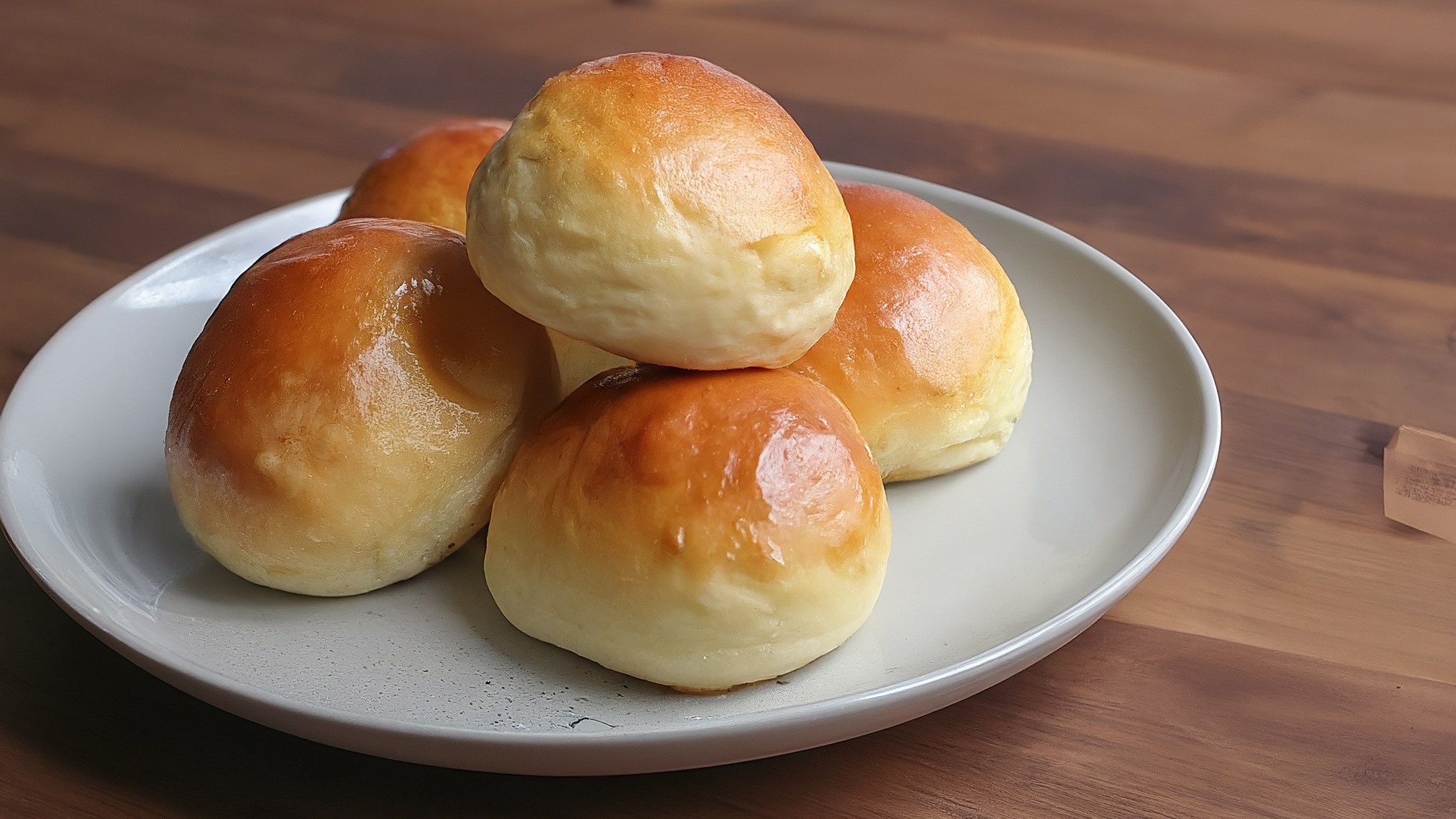
Homemade Brioche Dinner Rolls
Bread
Description
The Story
Ingredients
Instructions
Video Tutorial
Nutrition
Calories
280
Protein
7g
Carbs
35g
Fat
12g
Notes
• **Windowpane Test**: To ensure your dough is properly kneaded, pinch off a small piece and gently stretch it. If it can stretch thin enough to allow light to pass through without tearing, it's ready for the next step.
• **Storage**: Store leftover brioche rolls in an airtight container at room temperature for up to 3 days. For best results, reheat briefly in the microwave or oven before serving.
• **Make Ahead**: The dough can be prepared up to the chilling step (Step 8) and kept in the refrigerator for up to 2 days. This makes brioche an excellent option for holiday meal prep or entertaining.
• **Variations**: For a touch of sweetness, sprinkle the rolls with pearl sugar or a cinnamon-sugar mixture before baking. For a savory twist, incorporate 1-2 tablespoons of finely chopped fresh herbs like chives, rosemary, or thyme into the dough along with the butter.