A comprehensive, SEO-optimized guide covering brining, roasting, and resting for a perfect bird.
The Ultimate Guide to Roasting the Perfect Thanksgiving Turkey (5 Common Mistakes to Avoid)
Thanksgiving Recipes
Description
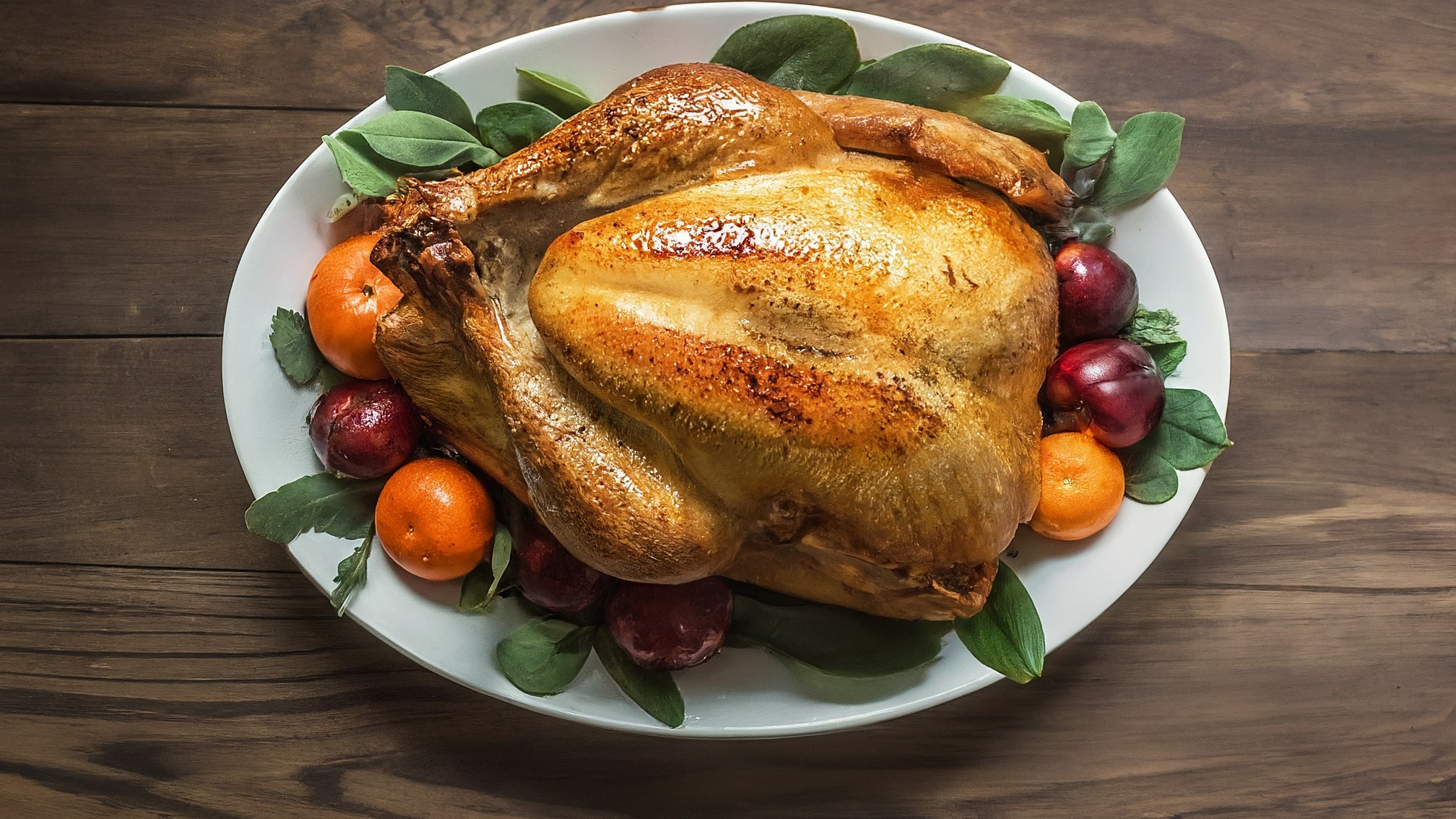
Thanksgiving – a time for gratitude, family, and, for many, the culinary centerpiece that defines the holiday: the perfectly roasted turkey. The pressure to deliver a succulent, flavorful bird with crispy skin can feel immense, often leading to anxiety in the kitchen. But what if we told you that achieving turkey perfection isn't a secret held by professional chefs, but a straightforward process built on a few key techniques and, crucially, avoiding some common pitfalls? This ultimate guide is your roadmap to a show-stopping Thanksgiving turkey that will have everyone reaching for seconds.
The journey to a truly magnificent turkey begins long before it ever sees the oven. The secret to a consistently juicy bird lies in **brining**. Many home cooks skip this vital step, leading to dry, bland meat, which is the first of our common mistakes. Brining, whether wet or dry, infuses the turkey with moisture and flavor, fundamentally altering its texture and taste. A **wet brine** involves submerging the turkey in a salt-water solution, often enhanced with sugar, herbs, and aromatics. The salt helps the turkey absorb water, plumping up the muscle fibers and ensuring juiciness. A typical wet brine might include 1 cup of kosher salt and ½ cup of sugar per gallon of water, along with bay leaves, peppercorns, and orange peel. For a 12-15 pound turkey, you’ll need enough brine to fully cover it, usually 2-3 gallons. Brine for 12-24 hours in a food-safe container in the refrigerator.
Alternatively, a **dry brine** is a simpler yet equally effective method. This involves rubbing the turkey all over with a mixture of salt (and sometimes herbs/spices), then letting it rest, uncovered, in the refrigerator. The salt draws out the turkey’s natural moisture, which then reabsorbs back into the meat, carrying the salt and flavor deep within. For a dry brine, use about 1 tablespoon of kosher salt per 4-5 pounds of turkey. Rub it thoroughly, including under the skin. Place the turkey on a rack in a roasting pan and refrigerate for 2-3 days. No rinsing is needed after a dry brine; simply pat it completely dry before roasting. Choosing either a wet or dry brine will dramatically improve your turkey, preventing it from drying out during the long cooking process. Skipping this step, or not brining for the correct amount of time, is a common turkey mistake easily avoided.
Once your turkey is brined, preparation before it hits the heat is key. For that coveted crispy skin, ensure your turkey is **patting dry** thoroughly with paper towels, both inside and out. Any surface moisture will steam rather than crisp. Next, consider a flavorful rub. While some advocate basting, coating the skin with butter, olive oil, or rendered duck fat, along with a mixture of herbs like sage, thyme, and rosemary, will help it brown beautifully and develop a delicious crust. Lift the skin over the breast and thighs and rub some of this mixture directly onto the meat for added flavor and moisture. When it comes to **stuffing**, consider baking it separately. Stuffing inside the turkey requires the turkey to cook longer to ensure the stuffing reaches a safe internal temperature (165°F), which can lead to an overcooked, dry breast. Baking it in a casserole dish ensures both your turkey and your stuffing are perfectly cooked. Finally, **trussing** the turkey (tying the legs together and tucking the wings under) promotes more even cooking and helps the turkey maintain a compact shape, though it's not strictly necessary for a juicy bird.
Now for the main event: **roasting the turkey**. One of the biggest fears is an **overcooked turkey**, which brings us to our second common mistake. Many home cooks rely solely on cooking time charts, but turkey size, oven calibration, and even starting temperature can vary wildly. The key to preventing an overcooked turkey is to use a reliable **meat thermometer** – this is our third critical mistake to avoid. Forget about pop-up timers; they are notoriously inaccurate. Invest in a good quality digital instant-read thermometer.
Begin by preheating your oven to a higher temperature, around 425-450°F, then immediately reduce it to 325-350°F once the turkey goes in. The initial high heat helps crisp the skin, while the lower temperature ensures gentle, even cooking. Place your turkey on a roasting rack in a shallow roasting pan. This elevates the bird, allowing hot air to circulate all around it and preventing the bottom from steaming. As for basting, frequent oven door opening is our fourth common mistake. Every time you open the oven, the temperature drops significantly, extending cooking time and drying out the turkey. Instead of basting every 30 minutes, trust the brine and the fat/oil rub to keep it moist and promote browning. If the skin starts to brown too quickly, loosely tent the turkey with aluminum foil.
The most important moment in roasting is checking the internal temperature. Insert your meat thermometer into the deepest part of the thigh, avoiding the bone, and also into the thickest part of the breast. The breast should reach 165°F, and the thigh should be between 170-175°F. Remember that the temperature will continue to rise a few degrees after it’s removed from the oven due to **carryover cooking**. Remove the turkey from the oven when it reaches these target temperatures.
This brings us to our fifth and final, often overlooked, common mistake: **not resting the turkey**. This step is as crucial as roasting itself. Once the turkey is out of the oven, transfer it to a cutting board or platter and tent it loosely with foil. Let it **rest for at least 20-30 minutes**, and for larger birds, up to an hour. During this resting period, the juices, which have migrated to the center of the bird during cooking, redistribute themselves throughout the meat. If you carve immediately, all those precious juices will spill out onto your cutting board, leaving you with dry, flavorless meat. Resting allows the juices to settle back into the muscle fibers, resulting in a significantly more tender and juicy turkey.
In summary, here are the 5 common Thanksgiving turkey mistakes to avoid for your juiciest bird yet:
1. **Skipping the brine entirely (or improper brining):** Always brine, wet or dry, for enhanced moisture and flavor.
2. **Overcooking the turkey by relying solely on time:** Use a meat thermometer to ensure perfect doneness.
3. **Not using a reliable meat thermometer:** It’s your best friend for accuracy and safety.
4. **Opening the oven door too frequently:** Resist the urge to constantly check and baste; trust your process.
5. **Carving the turkey immediately after roasting:** Always allow ample resting time for juicy, tender meat.
By integrating brining into your preparation, using a meat thermometer religiously, and allowing your magnificent roasted turkey to rest, you'll overcome the common hurdles that lead to dry, disappointing results. This Thanksgiving, ditch the stress and embrace these proven techniques. Your guests will rave, and you’ll discover the true joy of presenting a perfectly roasted, incredibly juicy, and flavorful bird that embodies the spirit of the holiday. So go ahead, confidently tackle that turkey, and savor the delicious rewards of a job well done!