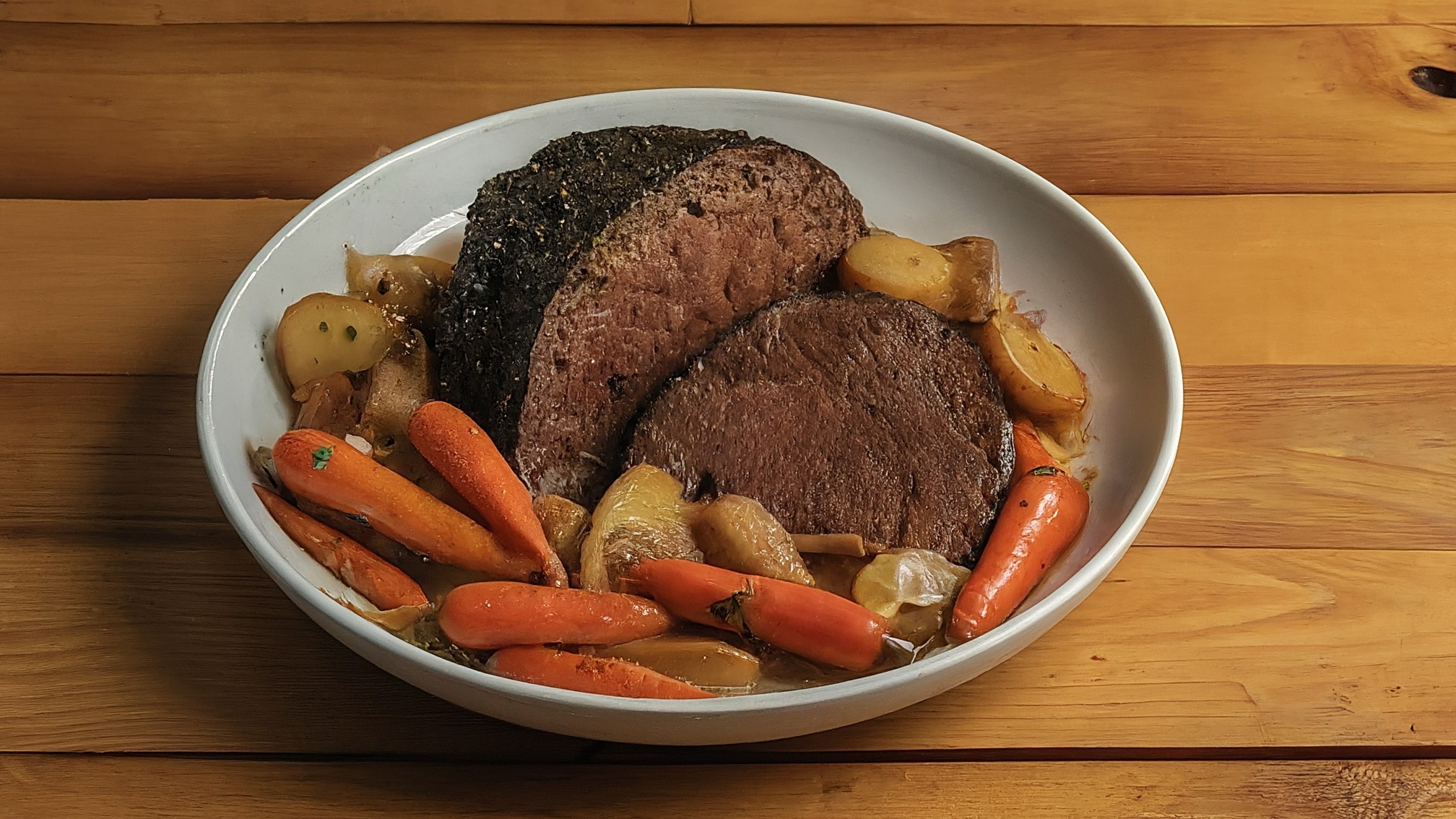
There are few dishes that evoke the quintessential warmth and comfort of home quite like a Dutch Oven Pot Roast. The tender, fall-apart beef, the sweet, earthy root vegetables, all swimming in a rich, savory gravy – it’s a symphony of flavors that speaks directly to the soul. But before we even think about the aroma filling your kitchen, let's talk about the unsung hero of this culinary masterpiece: the Dutch Oven itself. Its name often sparks curiosity, making us wonder if this sturdy, versatile pot truly hails from the Netherlands. And while the name *does* have European roots, its true story, and its indelible mark on American cuisine, is far more fascinating and intimately tied to our own history.
The credit for the modern cast-iron Dutch oven, as we know and love it, largely goes to an Englishman named Abraham Darby. In the early 18th century, Darby journeyed to the Netherlands to observe their casting techniques, specifically their method of using sand molds to create smooth, durable brass pots. He returned to England, not to replicate brass, but to apply these innovative sand-casting techniques to *iron*. Prior to this, iron pots were typically made in rough, two-part molds, resulting in uneven surfaces. Darby's adaptation produced thinner, smoother, and more affordable cast-iron cookware. He even patented a dry sand-casting method for 'bellied pots' and other iron goods in 1708. So, while the 'Dutch' in its name is a nod to the inspiration for the casting process, the vessel that would become a cornerstone of American cooking was refined and popularized by British innovation.
This robust, lidded pot quickly made its way across the Atlantic, becoming an indispensable tool for early American settlers, pioneers, and even legendary figures like Lewis and Clark. Imagine life on the frontier: without modern stoves or ovens, cooking over an open fire was the norm. The Dutch oven, with its thick walls for even heat distribution and a tight-fitting lid that could hold hot coals on top and underneath, was nothing short of revolutionary. It wasn’t just for roasting; it could bake bread, simmer stews, fry bacon, and, of course, create the most tender pot roasts imaginable. It was a multi-tasking workhorse, durable enough to withstand the rigors of travel and the heat of an open flame, becoming a symbol of self-reliance and resourcefulness. From the chuck wagons of cowboys out on the range to the hearths of log cabins, the Dutch oven was the heart of the home, providing sustenance and warmth. It allowed for slow, even cooking, transforming tougher cuts of meat and humble root vegetables into nourishing, flavorful meals that fed families and communities. This vessel wasn't just a piece of cookware; it was a companion, a provider, and a testament to the ingenuity that shaped the American culinary landscape, making dishes like our beloved pot roast a staple long before it ever graced a modern oven.
Today, while we might have the luxury of electric ovens and fancy pressure cookers, the Dutch oven remains a cherished fixture in kitchens across America, a testament to its enduring functionality and the rich history it carries. There’s something deeply satisfying about pulling a sizzling, fragrant pot roast from a heavy cast-iron Dutch oven – a ritual that connects us to generations past. It’s a tangible link to our culinary heritage, reminding us of simpler times and the resilience of those who cooked before us. The same principles that made it essential on the frontier – even heat, moisture retention, and one-pot convenience – are precisely why it remains a favorite for slow-cooked, deeply flavored meals. So, the next time you gather around a comforting Dutch Oven Pot Roast, take a moment to appreciate the journey of this humble, yet mighty, piece of cookware – a true American icon, forged in ingenuity and perfected by necessity, continuing to bring warmth and flavor to our tables.