Fluffy Ricotta Pancakes with Maple-Cinnamon Butter

Fluffy Ricotta Pancakes with Maple-Cinnamon Butter

Breakfast & Brunch

Description

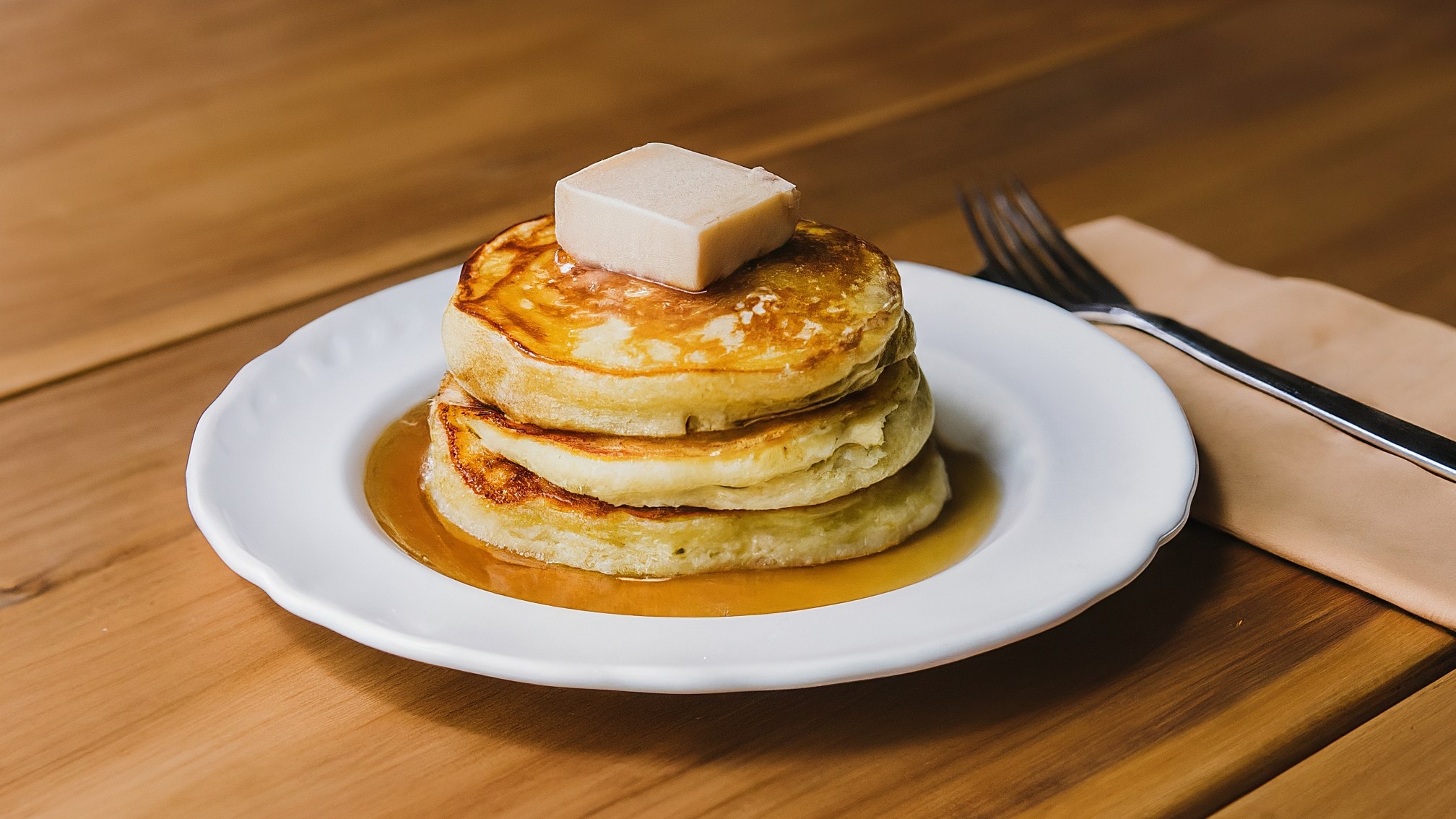
These light-as-air ricotta pancakes are the ultimate indulgence for a leisurely weekend morning. Each bite promises an incredible melt-in-your-mouth texture, elevated by a luscious homemade maple-cinnamon butter. Prepare for the fluffiest stack you've ever savored!
The Story

Picture this: a Sunday morning, sun streaming through the window, the aroma of something sweet and comforting wafting from the kitchen. It’s not just any pancake; it’s a stack of golden-edged, impossibly airy discs, their delicate crumb whispering promises of a truly special breakfast. We’re talking about fluffy ricotta pancakes, a dish that effortlessly blends rustic charm with gourmet elegance, especially when topped with a swirl of decadent maple-cinnamon butter. While they feel like a modern brunch triumph, designed for leisurely weekend indulgence, the story of how ricotta found its way into our griddle-fried breakfast isn't quite as straightforward as you might think. It's a tale that stretches across continents and centuries, embodying the delicious evolution of what we consider 'breakfast' itself.

To truly appreciate the ricotta pancake, we first need to acknowledge the venerable history of the pancake itself. From ancient Greek *tagenites* to medieval European crepes, flat griddle cakes have been a global staple for millennia, often made with basic flour and cooked over an open fire. They were humble, energy-providing fare, adaptable to available grains. Fast forward to colonial America, and these flat cakes evolved, often made with cornmeal or buckwheat, becoming a practical, hearty breakfast for settlers. The introduction of leavening agents like baking soda and powder in the 19th century transformed these dense cakes into the light, fluffy 'flapjacks' or 'hotcakes' we recognize today, cementing their place as an American breakfast icon. Now, for the ricotta. This soft, creamy whey cheese, whose name literally means 'recooked,' has been a cornerstone of Italian cuisine for centuries, prized for its delicate texture. Its journey into the American pancake batter is a beautiful testament to culinary fusion. As Italian immigrants brought their rich gastronomic traditions to the United States from the late 19th into the 20th century, their ingredients began to intermingle with the established American palate. While not a direct historical 'invention' moment, adding ricotta to pancake batter likely emerged organically as a way to enrich and moisten baked goods, a common practice in Italian desserts. It provided a luxurious texture and subtle tang that elevated the standard buttermilk pancake, making it exceptionally tender and moist – a delicious marriage of comforting American breakfast and sophisticated Italian dairy.

This subtle culinary cross-pollination resulted in the ricotta pancake we cherish today – a dish that stands apart from its purely American cousins, offering a slightly denser, yet incredibly moist and delicate crumb. It’s less about a specific inventor and more about the natural evolution of food cultures colliding and creating something greater than the sum of its parts. The ricotta provides not just a unique texture, but also a hint of sophisticated flavor, making it feel both familiar and wonderfully novel. Paired with a luscious maple-cinnamon butter – a distinctly American accent, celebrating our rich maple syrup heritage with the warming embrace of cinnamon – these pancakes transcend a mere meal. They become an experience, a slow Sunday ritual, a moment of culinary bliss that honors centuries of pancake-making and the beautiful blending of global traditions on an American breakfast plate. It’s comfort food with a passport, embodying the spirit of innovation and adaptation that defines so much of our nation's culinary landscape.

Ingredients

Instructions

Video Tutorial

Nutrition

Calories 380
Protein 15g
Carbs 45g
Fat 17g

Notes

For the Fluffiest Pancakes: Do not overmix the batter; a few lumps are fine. The gently folded egg whites are crucial for their airy texture.

Keep Warm: If cooking in batches, you can keep finished pancakes warm on a baking sheet in a preheated oven at 200Β°F (95Β°C) while you cook the remaining batter.

Variations: Add fresh berries (blueberries, raspberries) or chocolate chips to the batter after folding in the egg whites for a delicious twist.

Storage: Leftover pancakes can be stored in an airtight container in the refrigerator for up to 3 days. Reheat gently in a toaster, microwave, or on a griddle.

Leave a Reply

Your email address will not be published. Required fields are marked *