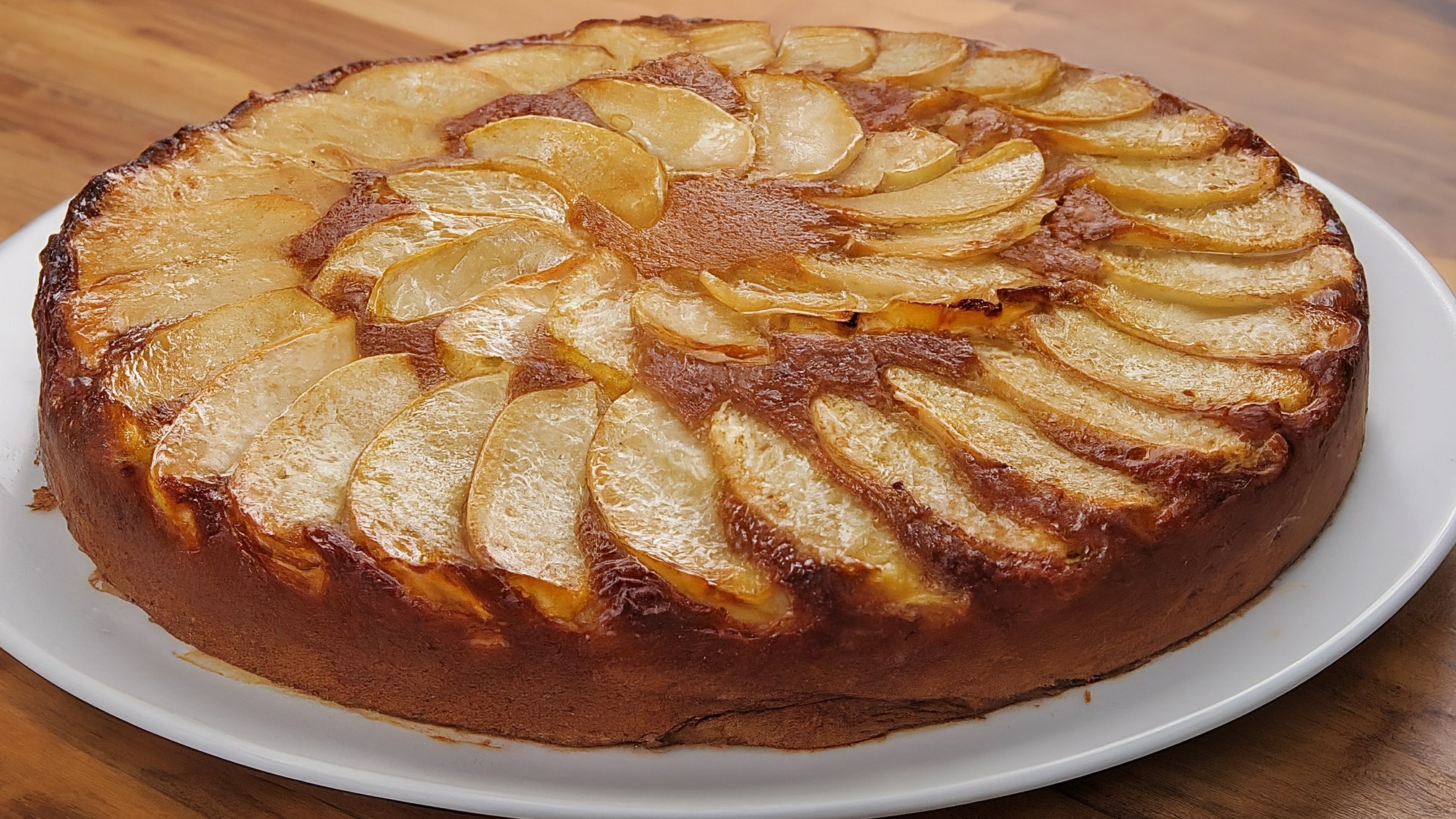
Every culture has its beloved apple dessert, but in Germany, the humble apple cake, or Apfelkuchen, holds a particularly cherished place in the national culinary heart. Far from a single, rigid recipe, Apfelkuchen is more of a delightful category, a testament to the versatility of apples and the German knack for turning simple ingredients into comforting masterpieces. Its roots stretch back through centuries, long before precise recipes were penned, to a time when apples were a staple fruit and baking was an essential part of daily life. Imagine medieval hearths filling with the scent of baked fruit and warm dough – the ancestor of Apfelkuchen was likely present in various rustic forms. It’s a dish that embodies warmth, tradition, and the simple pleasures of home, making it an enduring symbol of German hospitality and the quintessential accompaniment to an afternoon cup of coffee.
What makes Apfelkuchen truly fascinating is its remarkable evolution and astonishing regional diversity. To say "Apfelkuchen" is almost like saying "bread" – there are countless styles, each with its own distinct charm. In the northern regions, you might find a sturdy *Blechkuchen* (sheet cake), often made with a yeast dough base, generously topped with thinly sliced apples, and crowned with a crunchy *Streusel* (crumb topping) – perfect for feeding a crowd at a community gathering or a Sunday family *Kaffee und Kuchen*. Head south, and you might encounter a richer *Rührkuchen* (stirred cake), often baked in an elegant Bundt or springform pan, where the apples are folded into a denser, moist batter, sometimes kissed with a hint of cinnamon or rum. Then there's the classic *Mürbeteig* (shortcrust) Apfelkuchen, resembling a beautiful tart, with a buttery crust encasing a luscious apple filling, often adorned with a decorative lattice top. Each variation tells a story of local ingredients, historical availability, and regional baking traditions, yet all share the core essence: celebrating the apple in its most delicious, baked form, preventing it from ever being a singular, one-note wonder.
Beyond its structural diversity, Apfelkuchen's enduring appeal lies in its deep cultural significance. It’s not merely a dessert; it’s an integral part of *Kaffee und Kuchen*, the beloved German tradition of gathering in the afternoon for coffee and cake, a ritual akin to British afternoon tea. This daily custom embodies *Gemütlichkeit* – that untranslatable German concept of coziness and well-being. A homemade Apfelkuchen on the table signals warmth, welcome, and a moment to pause and connect. It’s a cake that transcends class and occasion, equally at home on a farmhouse table or in an urban cafe. While modern adaptations might introduce new spices, healthier flours, or exotic apple varieties, the fundamental spirit of Apfelkuchen remains unchanged: a celebration of simplicity, a taste of home, and a timeless invitation to gather and enjoy. It’s a culinary hug, baked with love, making it arguably the most beloved German dessert of all. Its comforting aroma and taste evoke memories and create new ones, solidifying its place as a delicious ambassador of German culture worldwide.