Homemade Brioche Dinner Rolls

Homemade Brioche Dinner Rolls

Bread

Description

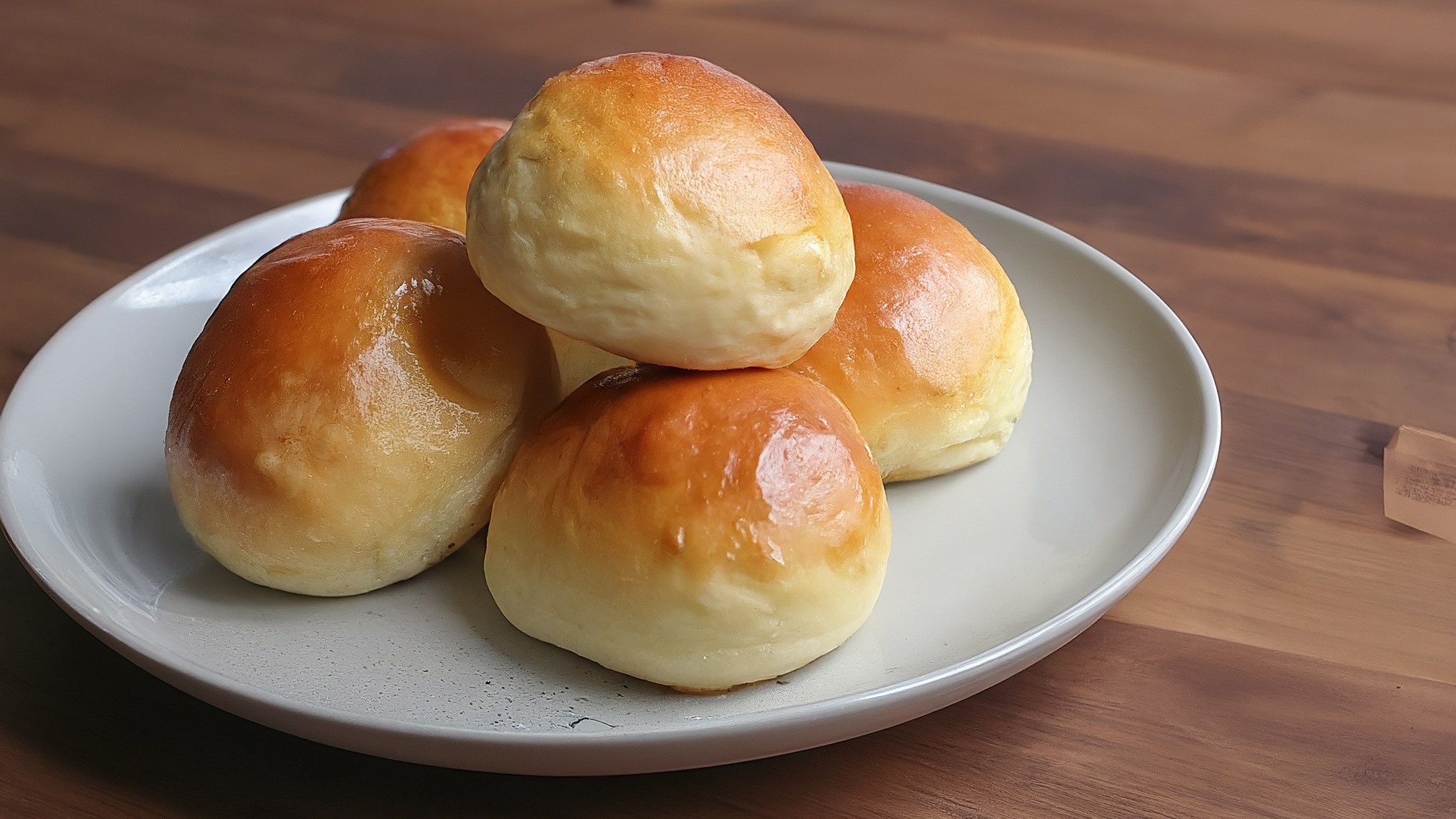
Elevate your dinner table with these incredibly soft, buttery, and pillowy brioche dinner rolls. Perfectly rich and golden, they are surprisingly easy to make and guaranteed to be the star of any meal, especially during holidays.
The Story

There are few breads that command attention quite like brioche. That golden-brown crust, the tender, airy crumb that practically melts in your mouth, the unmistakable aroma of rich butter and delicate sweetness – it’s a sensory experience that transcends mere sustenance. While often seen gracing fancy brunch spreads or elevated burger buns today, the story of brioche is far more complex and captivating, reaching back through centuries of French history, from humble village ovens to the opulent tables of royalty, painting a picture of luxury, class, and revolution.

The true genesis of brioche can be traced back to the medieval bread traditions of France, particularly the dairy-rich regions like Normandy. Here, where butter and eggs were abundant, early bakers began enriching their doughs, transforming basic flour and water into something more decadent. The term "brioche" itself appeared in print around the 15th century, possibly derived from "broyer," meaning "to knead," or perhaps linking to the Brie region where similar enriched breads were made. Over the centuries, this luxurious bread slowly ascended the social ladder. By the 17th and 18th centuries, brioche was firmly established as a delicacy of the aristocracy and the wealthy, a stark contrast to the coarse, dark breads that sustained the common people. This era famously gave rise to the apocryphal (but eternally memorable) phrase, "Qu'ils mangent de la brioche!" or "Let them eat cake!" often attributed to Queen Marie Antoinette during the French Revolution. While she likely never uttered these words, the sentiment perfectly captures brioche's status as a symbol of aristocratic excess and the severe disconnect between the elite and the starving masses, making it not just a food, but a powerful cultural artifact.

Today, thankfully, brioche has shed its controversial past to become a beloved staple enjoyed by all. From its origins as a luxury item for French nobility, it has democratized itself, gracing everything from our breakfast tables as toast to becoming the perfect partner for savory dinner dishes as a roll. Each golden-hued bite of a homemade brioche dinner roll is a journey through time, a culinary narrative that speaks of ingenuity, indulgence, and the enduring human desire for something truly extraordinary. It’s a testament to how simple ingredients, when handled with care and enriched with history, can create an experience that is both deeply comforting and profoundly memorable.

Ingredients

Instructions

Video Tutorial

Nutrition

Calories 280
Protein 7g
Carbs 35g
Fat 12g

Notes

• **Windowpane Test**: To ensure your dough is properly kneaded, pinch off a small piece and gently stretch it. If it can stretch thin enough to allow light to pass through without tearing, it's ready for the next step.
• **Storage**: Store leftover brioche rolls in an airtight container at room temperature for up to 3 days. For best results, reheat briefly in the microwave or oven before serving.
• **Make Ahead**: The dough can be prepared up to the chilling step (Step 8) and kept in the refrigerator for up to 2 days. This makes brioche an excellent option for holiday meal prep or entertaining.
• **Variations**: For a touch of sweetness, sprinkle the rolls with pearl sugar or a cinnamon-sugar mixture before baking. For a savory twist, incorporate 1-2 tablespoons of finely chopped fresh herbs like chives, rosemary, or thyme into the dough along with the butter.

Leave a Reply

Your email address will not be published. Required fields are marked *