How to Spatchcock a Turkey for Fast, Even Roasting

How to Spatchcock a Turkey for Fast, Even Roasting

Even Roasting

Description

Say goodbye to dry, unevenly cooked Thanksgiving turkey! Spatchcocking, or butterflying, your turkey is a game-changer, dramatically reducing cooking time while ensuring every bite is incredibly juicy with perfectly crispy skin. This method is surprisingly easy and guarantees a show-stopping centerpiece for your holiday table.
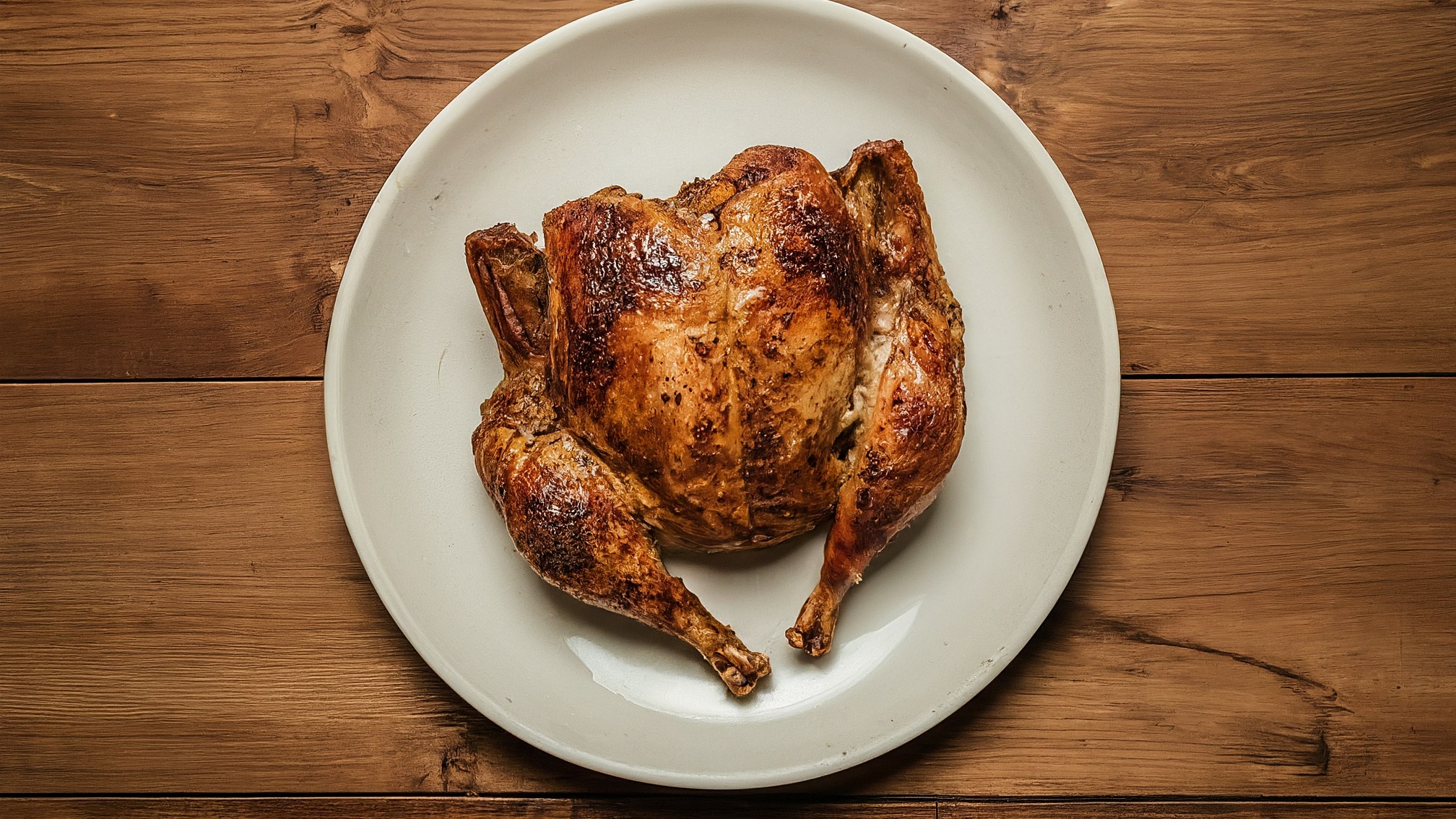
The Story

Thanksgiving. The word itself conjures images of bountiful tables, cherished family, and, of course, that majestic, golden-brown turkey taking center stage. But for many home cooks, the journey to that perfect bird can be fraught with culinary anxiety: dry breast, undercooked dark meat, and an endless roast time that ties up the oven for hours. Enter the seemingly unconventional, yet remarkably effective, technique of spatchcocking. It’s a method that might sound like a wrestling move or a whimsical creature from a fantasy novel, but beneath its curious name lies a culinary secret that has been quietly revolutionizing holiday dinners, promising a faster, more evenly cooked, and undeniably juicier turkey. Before we delve into *how* this transforms your bird, let’s peel back the layers of its fascinating, and somewhat mysterious, linguistic past.

The origin of the word "spatchcock" is a delightful culinary riddle, whispered through the annals of food history with a few compelling theories. Many etymologists trace its roots to 18th or early 19th century Ireland, where it was originally a term for a chicken or other fowl "dispatched and cooked immediately." One popular theory suggests it's a contraction of "dispatch the cock," referring to the quick preparation of a chicken split open and grilled or broiled. Imagine bustling taverns or rural kitchens where a hungry traveler needed a meal *right now*. To "spatchcock" a bird meant to prepare it with utmost speed, cutting it open, flattening it, and laying it on a hot gridiron (often called a "spatchcock gridiron") over an open flame. This wasn't about slow roasting; it was about efficiency, about getting a delicious, cooked bird onto a plate in minutes, not hours. The technique was prized for its ability to expose more surface area to the heat, ensuring quicker, more uniform cooking for smaller game birds.

Fast forward to the modern American Thanksgiving, and this centuries-old technique, once employed for a quick tavern meal, has found its grandest application in the mighty turkey. The very principle that made spatchcocking ideal for a speedy chicken — increased surface area, even exposure to heat — translates perfectly to our colossal holiday bird. By removing the backbone and flattening the turkey, cooks unlock a myriad of benefits: the white meat and dark meat cook more evenly, significantly reducing the risk of a dry breast and raw thighs. The skin, now fully exposed, renders into an incredibly crispy, golden-brown armor. Best of all, it drastically cuts down on roasting time, freeing up precious oven space and allowing you more time to spend with loved ones, rather than monitoring your bird. What began as a practical solution for a quick bite has evolved into a sophisticated culinary strategy, transforming the potentially daunting task of roasting a Thanksgiving turkey into a surprisingly simple, swift, and spectacularly delicious triumph. It’s a brilliant example of how ancient ingenuity can be perfectly adapted to solve contemporary culinary challenges, proving that sometimes, the best new tricks are actually very old ones indeed.

Ingredients

Instructions

Video Tutorial

Nutrition

Calories 320
Protein 38g
Carbs 1g
Fat 18g

Notes

• Turkey Size: A 12-14 pound turkey is ideal for spatchcocking, as it fits well in most roasting pans and cooks more quickly and evenly.
• Kitchen Shears: Invest in a good, heavy-duty pair of kitchen shears. They make the spatchcocking process much easier.
• Gravy Gold: Don't discard the backbone! You can roast it along with the neck and giblets (if desired) and use them to make a rich, flavorful gravy.
• Even Browning: If one part of the turkey (like the wing tips or drumsticks) starts to brown too quickly, you can loosely cover it with a small piece of aluminum foil.
• Storage: Leftover turkey can be stored in an airtight container in the refrigerator for 3-4 days. It also freezes well for up to 3 months.

Leave a Reply

Your email address will not be published. Required fields are marked *