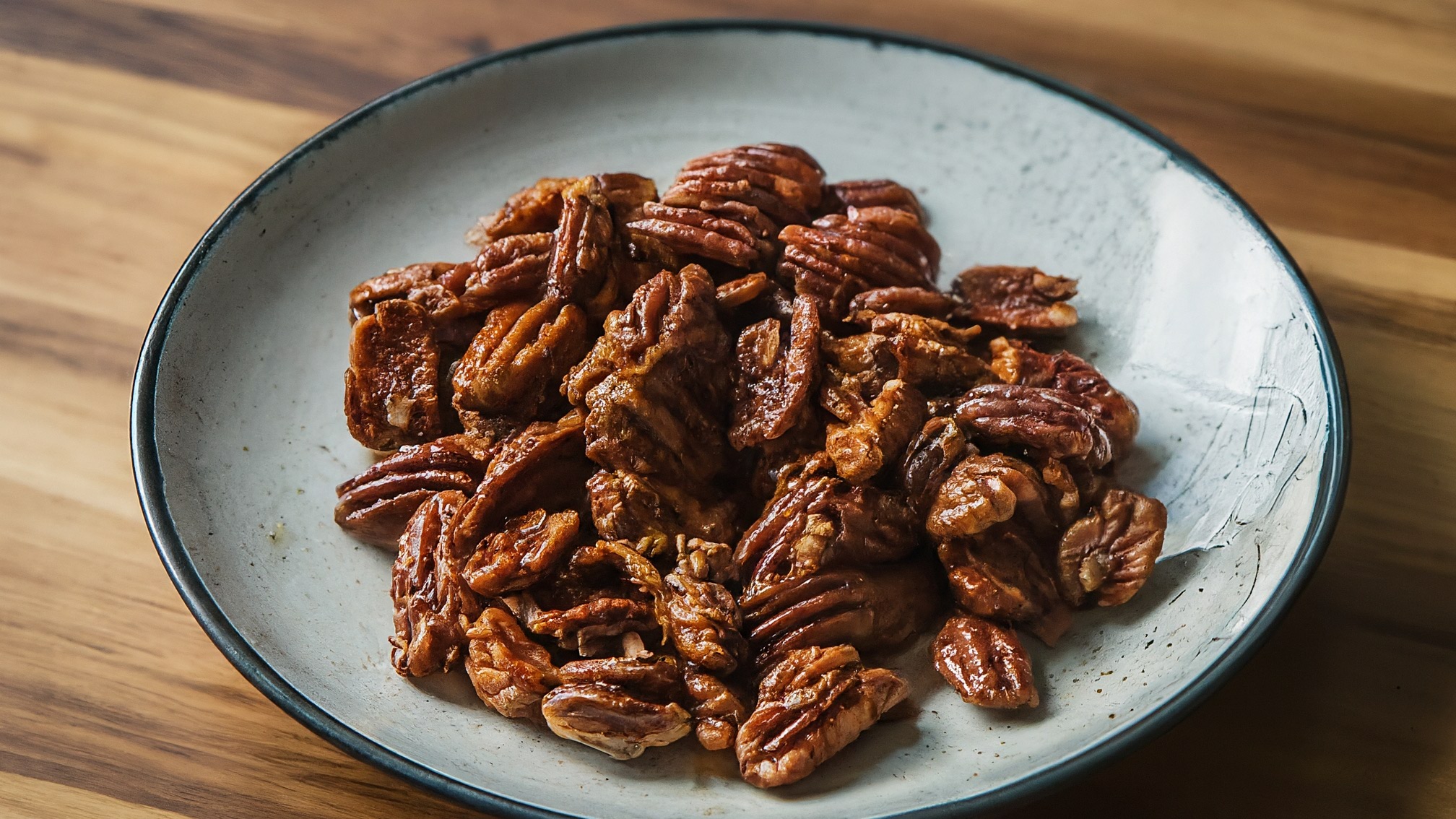
Ah, the candied pecan. A simple, irresistible crunch that brings a smile, a comforting taste of Americana often associated with Southern hospitality and festive cheer. But before this delightful treat became a staple on charcuterie boards, holiday tables, and even atop a simple salad, both the pecan itself and the art of candying embarked on quite the journey, culminating in the quick stovetop method we cherish today. The pecan, *Carya illinoinensis*, stands alone as North America's only major native tree nut. Its very name, derived from the Algonquin word "pakan," meaning "nut requiring a stone to crack," speaks to its deep roots in Indigenous American cultures, who prized it as a vital food source for millennia. Early European explorers, particularly the Spanish and French, marveled at these abundant, rich nuts, quickly realizing their culinary potential and transporting them back across the Atlantic. However, it was truly in the American South where the pecan found its spiritual home, becoming inextricably woven into the region's culinary identity and agricultural landscape.
The practice of coating nuts and fruits in sugar, however, is a much older, global affair, predating the American colonies by centuries. Ancient civilizations in the Middle East and Asia discovered the preserving power of sugar, creating early forms of confit and dragees. In medieval Europe, sugar-coated almonds and other nuts were highly valued sweetmeats, often reserved for royalty and the wealthy, as sugar itself was a precious luxury. As sugar plantations proliferated in the Caribbean and the commodity became more accessible, these ancient candying techniques made their way to the Americas, intertwining with various regional cuisines. It's no coincidence that the famed New Orleans praline, a close cousin to the candied pecan, emerged from this rich fusion of French culinary traditions, local ingredients, and the burgeoning availability of sugar.
It was perhaps inevitable, then, that the naturally buttery, subtly sweet pecan would eventually meet this ancient sugaring tradition head-on in the American South. While the praline offered a specific, often creamier confection, the simple "candied pecan" evolved as a distinct, versatile treat that captured the essence of Southern sweetness without the sometimes more complex steps of its sister dessert. The true revolution, however, came with the popularization of the "quick stovetop" method. This technique, born from the ingenuity of home cooks and our modern desire for instant gratification, democratized the candied nut. No longer needing intricate confectionary equipment or extensive baking times, a batch of perfectly glazed, aromatic pecans could be whipped up in minutes right on the range, transforming an occasional indulgence into an everyday possibility. It’s a testament to how culinary traditions evolve, adapting ancient artistry to suit contemporary lifestyles, making this golden embrace of nut and sugar an accessible, irresistible delight for all.
Wow, that’s what I was searching for, what a data! existing here at this website, thanks admin of this web site.